BRRR Strategy Explained: How to Calculate a BRRR Deal in the UK
2026-06-04
What BRRR Actually Means — and Why Investors Love It
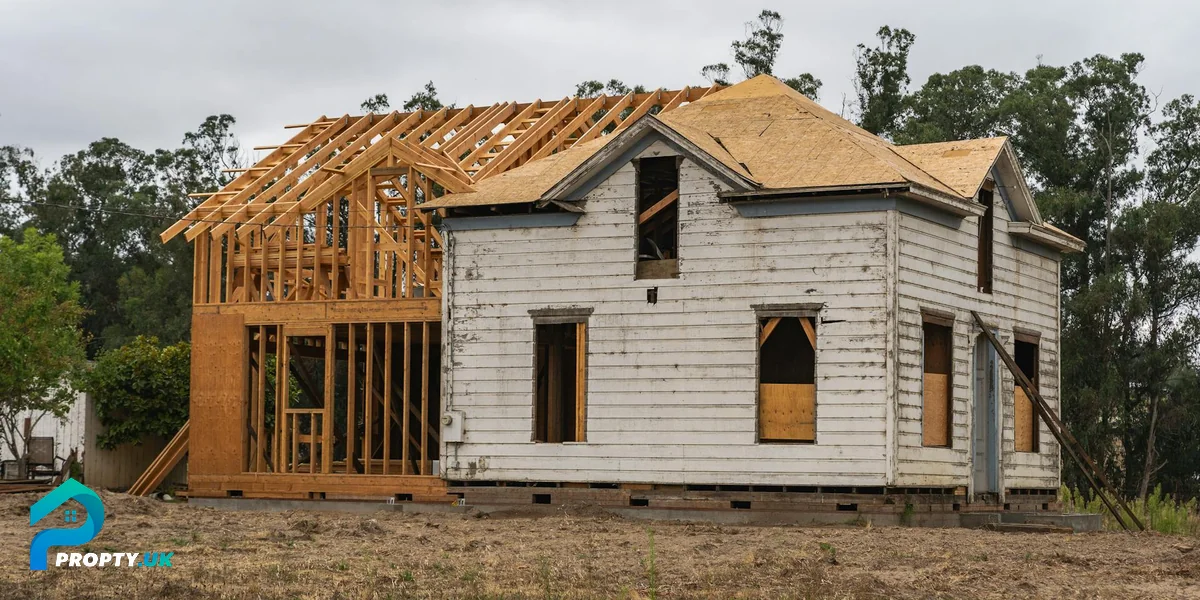
BRRR stands for Buy, Refurbish, Refinance, Rent. The idea is simple: buy a property below market value, renovate it to increase its value, refinance at the higher valuation to pull your original capital back out, then rent it for cash flow. If executed correctly, you end up owning a cash-flowing asset with little or no money left in the deal.
It's the most capital-efficient strategy in property investing because it lets you recycle the same deposit across multiple properties. Buy one, renovate, refinance, use the returned capital to buy the next. In theory, you can build a portfolio of ten properties from one deposit.
In practice, it depends entirely on the numbers. And the numbers are more complex than a standard buy-to-let.
The BRRR Calculation Framework
A BRRR deal has two distinct phases, and each needs its own analysis:
Phase 1: Acquisition + Renovation — how much cash goes in and what's the Gross Development Value (GDV)?
Phase 2: Refinance + Hold — how much cash comes back out, what's left in the deal, and does it cash-flow?
Phase 1: Cash In
Your total cash invested in a BRRR includes everything from the standard BTL analysis, plus renovation costs:
- Purchase price — typically 20-30% below the post-renovation value
- Stamp duty — calculated on the purchase price (not the GDV)
- Legal fees, survey, broker fees
- Bridging finance costs — most BRRR purchases use bridging because standard mortgages don't lend on unmortgageable properties. Budget 0.7-0.9% per month + 1-2% arrangement fee
- Renovation costs — the detailed room-by-room spec, not a guess
- Contingency — 10-15% of renovation costs
Worked Example — Phase 1
You find a 3-bed terrace in need of full refurbishment:
- Purchase price: £120,000 (comparable renovated properties sell/value at £175,000)
- Stamp duty (additional property): £7,600
- Legal + survey + broker: £3,500
- Bridging finance (£96k loan, 6 months at 0.75%/month + 2% arrangement): £6,240
- Renovation: £30,000
- Contingency (10%): £3,000
- Total cash in: £170,340
Your GDV (Gross Development Value) after renovation is £175,000. You've spent £170,340 to create an asset worth £175,000. The margin is tight — which is why the renovation budget and GDV estimate must be accurate.
Phase 2: Refinance — How Much Comes Back
After renovation, you refinance onto a standard BTL mortgage at the new (higher) valuation.
Refinance mortgage = GDV × LTV
At 75% LTV on a £175,000 valuation: mortgage = £131,250.
This mortgage redeems the bridging loan (which was only on the purchase price), and the surplus is returned to you as cash.
Cash returned = Refinance mortgage - Bridging loan redemption - Refinance fees
- Refinance mortgage: £131,250
- Bridging redemption (original loan): £96,000
- Refinance arrangement fee + legals: £2,500
- Cash returned: £131,250 - £96,000 - £2,500 = £32,750
The Key Number: Money Left in the Deal
Money left in deal = Total cash in - Cash returned at refinance
You put in £170,340 total. The bridging covered £96,000 of the purchase, so your actual cash outlay was £170,340 - £96,000 = £74,340. You got back £32,750 at refinance.
Money left in deal: £74,340 - £32,750 = £41,590
You still have £41,590 tied up in this property. That's your deposit, the stamp duty, the renovation costs minus what the refinance returned. The deal didn't fully recycle your capital.
When Does a BRRR Fully Recycle?
For zero money left in the deal, the refinance proceeds need to cover everything you spent. This requires:
GDV × LTV ≥ Purchase price + All costs
Rearranging: Purchase price ≤ (GDV × LTV) - All costs
In our example: (£175,000 × 0.75) - £50,340 (all costs except purchase) = £80,910. You'd need to buy at £80,910 or below to fully recycle. At £120,000, you overpaid for a full BRRR — but the deal might still work as a value-add BTL with reduced capital in.
The sweet spot for BRRR is typically buying at 60-65% of GDV. At 70%+ of GDV, full capital recycling becomes very difficult.
Phase 2 Continued: Does It Cash-Flow?
After refinancing, the property is a standard BTL with a £131,250 mortgage. Run the same seven-number analysis from the BTL framework:
- Rent: £850/month (comparable 3-bed terraces in the area)
- Mortgage (£131,250 at 5% interest-only): £547/month
- Management (10%): £85
- Insurance: £25
- Maintenance (8%): £68
- Monthly cash flow: £850 - £547 - £85 - £25 - £68 = £125/month positive
The ROI calculation uses money left in deal as the denominator: (£125 × 12 - £850 void) ÷ £41,590 = 1.6%. That's modest, but you've also got a £175,000 asset with only £41,590 of your own money in it. The leverage is working for you on capital growth.
The Three BRRR Killers
1. Overestimating GDV
If your renovated valuation comes in at £160,000 instead of £175,000, the refinance returns £24,000 less. Your money left in deal jumps to £65,590. The deal goes from "acceptable" to "most of my capital is trapped."
2. Renovation Overrun
A £30,000 renovation that becomes £45,000 adds £15,000 to your cash invested. Combined with a lower-than-expected valuation, this can turn a good BRRR into a capital trap.
3. Bridging Duration Overrun
Every extra month on bridging at 0.75% costs £720 in interest. A 3-month overrun adds £2,160 — and delays the refinance, which delays your capital return.
Run the Full BRRR Analysis
A BRRR deal requires more analysis than a standard BTL because it has two phases, each with different costs and risks. The renovation budget needs to be detailed and costed, not estimated. The GDV needs to be evidence-based, not aspirational. And the refinance LTV needs to account for the arrangement fee being added to the loan.
The maths tells you exactly whether the deal recycles your capital, how much is left in if it doesn't, and whether the post-refinance cash flow justifies the work. Run it before you offer, not after you've exchanged.