Solar Panels for Rental Properties: ROI, EPC Impact & Tenant Benefits
2026-06-24
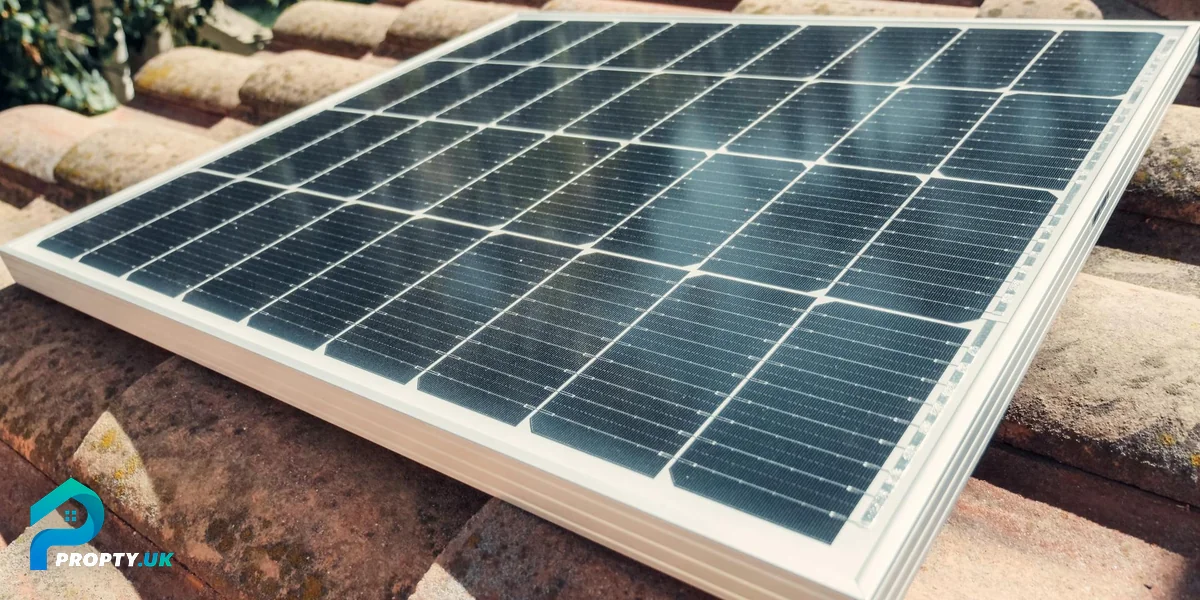
Solar on a Rental Property: Vanity Project or Smart Investment?
Solar panels on your own home make obvious sense — you use the electricity, you save money. But on a rental property, the economics are different. Your tenant benefits from the free electricity. You pay for the installation. So why would a landlord do this?
Three reasons: EPC rating improvement, property value uplift, and the Smart Export Guarantee. When you stack all three, solar on a rental property can deliver a genuine 8-12% annual return on investment. But only if the property and the numbers are right.
What Solar Actually Costs in 2026
A typical residential solar installation in the UK:
- 3kW system (8-10 panels): £4,500 to £6,000 — suitable for a small terrace or flat
- 4kW system (10-12 panels): £6,000 to £8,000 — most common for a standard semi or terrace
- 6kW system (15-18 panels): £8,000 to £11,000 — suitable for detached properties with large roof area
Battery storage adds £2,500 to £5,000 but rarely makes financial sense on a rental property unless the tenant is home during the day. Without a battery, surplus generation is exported to the grid at the Smart Export Guarantee rate.
VAT on residential solar installations is 0% until at least March 2027, which is a significant saving — a 4kW system that would cost £7,200 including VAT at 20% costs £6,000 at 0%.
The Smart Export Guarantee: Getting Paid for Surplus
The Smart Export Guarantee (SEG) requires energy suppliers to pay for electricity exported to the grid. Rates vary by supplier and tariff type:
- Fixed rate tariffs: 4p to 6p per kWh — predictable but lower
- Agile/variable tariffs: 5p to 15p per kWh depending on time of day and demand
On a 4kW system generating 3,800 kWh per year, assuming 50% is exported (a reasonable estimate for a rental where the tenant is out during peak generation hours), that's 1,900 kWh exported at an average of 5p/kWh = £95 per year.
It's not nothing, but the SEG alone doesn't justify the installation. The value is in the combination of export income, EPC improvement, and tenant appeal.
How Solar Affects Your EPC Rating
This is where solar gets interesting for landlords. Solar PV typically adds 5 to 15 SAP points to your EPC rating, depending on system size and the property's existing rating.
For a property sitting at EPC D (rating 55-68), a 4kW solar system could push it to a low C (69-80). If you're facing the EPC C deadline for rental properties, solar might be the single improvement that gets you over the line — and unlike loft insulation or a boiler replacement, it's also generating income.
The EPC improvement has a secondary financial benefit: properties rated C or above command higher rents and sell for more. Research by the Department for Energy Security and Net Zero shows a 5-8% price premium for EPC C versus EPC D.
Calculating the Real ROI
Here's a realistic ROI calculation for a 4kW solar system on a rental property:
Costs
- Installation (4kW, 0% VAT): £6,000
- Maintenance (25-year lifespan, minimal): £50/year average
Annual Returns
- SEG export income (1,900 kWh × 5p): £95
- Tenant electricity savings (1,900 kWh × 30p avoided grid cost): £570 — this isn't your income, but it's the value proposition for the tenant
- Rental premium (3% on £850/month): £306/year
- EPC-driven property value uplift (5% on £200,000): £10,000 — a one-time gain realised on sale
Your Direct Annual Return
- SEG income: £95
- Rental premium: £306
- Less maintenance: -£50
- Net annual return: £351
- Cash-on-cash return: 5.9%
Add the property value uplift and the return over a 10-year hold becomes approximately 11.2% annualised. Factor in the EPC compliance value — avoiding potential fines or being unable to let the property — and the case strengthens further.
When Solar Doesn't Make Sense
Not every rental property is a good candidate. Avoid solar if:
- The roof faces north or is heavily shaded — generation will be 30-50% lower than a south-facing system
- The roof needs replacing within 10 years — you'll have to remove and reinstall the panels
- The property is a flat or maisonette where you don't own the roof
- The property is already at EPC C or above — the marginal EPC benefit is minimal
- The lease is short — if you're selling within 3 years, the payback period is too long for cash-on-cash returns (though the property value uplift may still justify it)
Practical Considerations for Landlords
Who Benefits from the Free Electricity?
The tenant. They get reduced electricity bills. You get the SEG export income and the rental premium. This is a genuine win-win, but you need to communicate it clearly. A tenant paying £80/month less on electricity is willing to pay a premium in rent — but only if they understand the benefit.
Planning Permission
Solar panels are permitted development on most residential properties. You don't need planning permission unless the property is listed, in a conservation area, or the panels project more than 200mm from the roof surface. Check Article 4 directions in your area.
Insurance and Maintenance
Inform your buildings insurance provider. Most add solar coverage for a small premium increase (£20-50/year). Maintenance is minimal — panels are warrantied for 25 years and typically last 30+. An occasional clean and an inverter replacement around year 12-15 (£500-800) are the main costs.
The Bottom Line
Solar on a rental property isn't a get-rich-quick scheme. It's a steady, multi-benefit investment that improves your EPC rating, reduces your tenant's bills, generates a small export income, and adds lasting value to the property. The ROI is strongest on D-rated properties where the EPC uplift makes the biggest difference.
Run the numbers for your specific property. Roof orientation, system size, current EPC rating, and local rental market all affect the outcome. The maths should decide — not the marketing.