Loft Conversion Cost UK 2026: Types, Prices, and Planning
2026-09-02
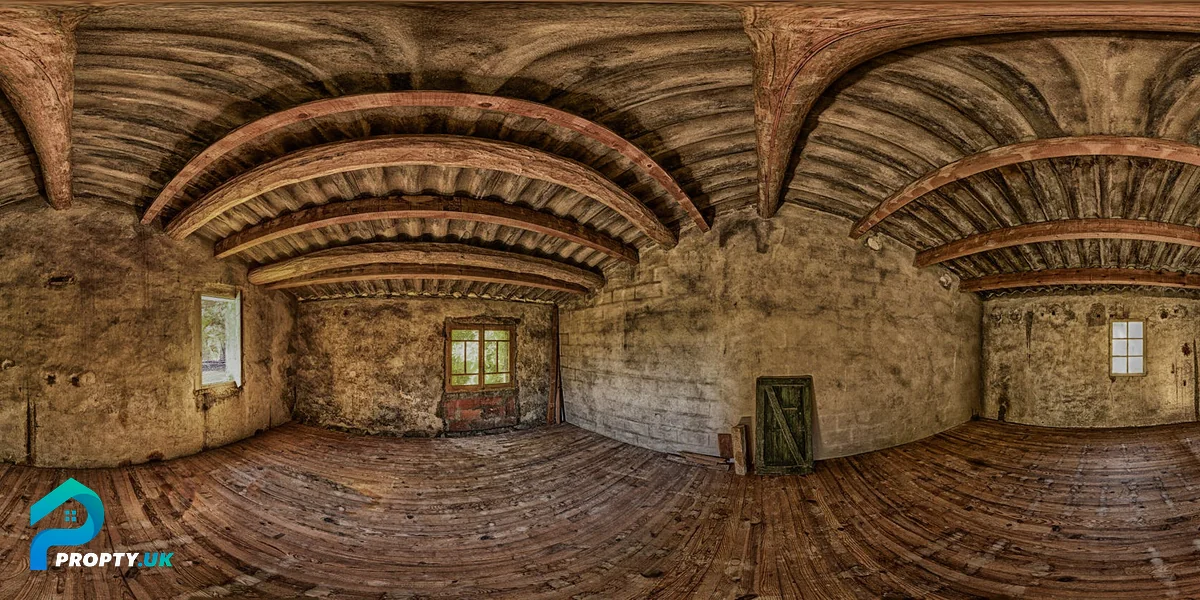
A loft conversion is one of the biggest single investments you can make in a property. It turns dead space into a bedroom (or two), adds significant value, and on the right property in the right area, pays for itself. On the wrong property, it's £40,000+ spent on a room that doesn't move the needle.
This guide covers the four main types, their realistic 2026 costs, and when they make financial sense for property investors.
The Four Types of Loft Conversion
1. Roof Light (Velux) Conversion
The simplest and cheapest option. No structural changes to the roof — just adding Velux windows, insulation, flooring, a staircase, and finishing the interior space.
Requirements: The existing roof space must have adequate headroom (2.2m+ at the highest point) and sufficient floor area without modification.
:::stats £20,000-£30,000 | Typical Cost 4-5 weeks | Duration No | Planning Permission (usually PD) :::
Best for: Properties with naturally tall roof spaces (Victorian terraces, some Edwardian semis). Houses where the existing roof pitch provides enough usable area.
Limitations: Many UK houses don't have enough headroom for a roof light conversion without dropping the ceiling below (expensive) or living with low headspace around the edges.
2. Dormer Conversion
The most common type in the UK. A flat-roofed box structure is built out from the rear slope, creating additional headroom and floor area. The result is a room with full headroom across most of its width.
:::stats £35,000-£55,000 | Typical Cost 6-8 weeks | Duration Usually No | Planning Permission (PD if within limits) :::
Types of dormer:
- Flat-roof box dormer (rear): Most common. Permitted development if within size limits.
- Full-width dormer: Extends across the entire rear roof slope. Maximum space gain.
- L-shaped dormer: Wraps around a corner. Used on properties with side returns.
Best for: Most UK houses. Creates maximum usable space within the existing footprint. The workhorse conversion type.
3. Hip-to-Gable Conversion
Converts a hipped (sloping) roof end into a vertical gable wall, creating additional floor area. Often combined with a rear dormer for maximum space.
:::stats £40,000-£60,000 | Typical Cost (Hip-to-Gable + Rear Dormer) 8-10 weeks | Duration Sometimes | Planning Permission (PD on most detached/semis) :::
Best for: Semi-detached and detached houses with hipped roofs. The hip slope wastes significant space that a gable wall reclaims.
Limitations: Not possible on mid-terraces (no hipped end). May need planning permission in some circumstances.
4. Mansard Conversion
The entire rear (and sometimes front) roof slope is rebuilt at a near-vertical angle (72°+), creating a full-height room across the entire width. The most expensive but also the most dramatic space gain.
:::stats £50,000-£70,000+ | Typical Cost 10-12 weeks | Duration Yes | Planning Permission (always required) :::
Best for: Properties where maximum space is needed, particularly London and high-value areas where the cost per m² of internal space justifies the premium.
Limitations: Always needs planning permission (it changes the roof profile significantly). Expensive. Overkill for properties in cheaper areas.
What's Included in the Price
A complete loft conversion typically includes:
| Item | Included in Quote? |
|---|---|
| Structural engineering calculations | Yes |
| Building regulations application | Yes |
| Steel beams (where needed) | Yes |
| Staircase (standard) | Yes |
| Insulation (walls, roof, floor) | Yes |
| Plasterboard and plastering | Yes |
| Windows (Velux or dormer) | Yes |
| Electrics (lighting, sockets) | Yes |
| Basic decoration | Sometimes |
| Flooring | Sometimes |
| Bathroom/en-suite | NOT usually — separate quote |
| Radiators / heating extension | Sometimes |
Extras to budget separately:
| Item | Cost |
|---|---|
| En-suite bathroom | £3,000-£6,000 |
| Flooring (if not included) | £500-£1,500 |
| Decoration (if not included) | £500-£1,000 |
| Heating extension (radiator + pipework) | £400-£800 |
| Premium staircase (if standard not acceptable) | £1,000-£3,000 extra |
| Fire door upgrades (building regs requirement) | £600-£1,200 |
| Smoke detection upgrade (building regs) | £200-£400 |
[!tip] Fire safety adds hidden cost Building regulations require upgraded fire detection, fire doors to ALL habitable rooms (not just the loft), and a protected escape route when adding a storey. Budget £1,000-£2,000 for fire compliance that isn't always included in the headline conversion quote.
Does It Add Value?
The golden question for investors. Here's the reality:
Value Added by Area
| Area / Property Value | Conversion Cost | Value Added | ROI |
|---|---|---|---|
| London (£500k+ property) | £50,000-£70,000 | £60,000-£100,000 | 120-150% |
| South East (£350k+ property) | £40,000-£55,000 | £40,000-£60,000 | 100-120% |
| Major cities (£250k+ property) | £35,000-£50,000 | £25,000-£40,000 | 70-90% |
| Northern cities (£150k-£200k) | £35,000-£45,000 | £15,000-£25,000 | 40-60% |
| Cheap areas (sub-£150k) | £30,000-£40,000 | £10,000-£15,000 | 30-40% |
The pattern is clear: Loft conversions pay for themselves in expensive areas where the cost per m² of internal space is high. In cheaper areas, the construction cost is similar but the value per m² is much lower — the maths doesn't work.
[!warning] Don't convert a loft in a cheap area A £40,000 loft conversion on a £140,000 property in Sunderland adds maybe £15,000 of value. You've spent £25,000 more than you got back. The same £40,000 in Liverpool or Manchester might return its full cost. Location determines whether a loft conversion is an investment or a luxury.
Rental Impact
For BTL investors, the question is whether the extra bedroom increases rent enough to justify the cost:
- Adding a 4th bedroom to a 3-bed: typically +£100-£200/month rent
- Adding a 5th bedroom (HMO): +£400-£600/month room rent
Payback on rental:
- Standard BTL extra room (+£150/month): £1,800/year. On a £40,000 conversion: 22-year payback. Too slow.
- HMO extra room (+£500/month): £6,000/year. On a £40,000 conversion: 6.7-year payback. Viable.
Loft conversions for rental only make financial sense in HMO scenarios where the room commands its own individual rent.
Planning Permission and Permitted Development
Most rear dormers on houses fall within permitted development (no planning application needed), provided:
- The addition doesn't exceed 40m³ (terraces) or 50m³ (detached/semis) of additional roof space
- Materials are similar in appearance to the existing house
- No part of the conversion is higher than the existing roof
- No dormer extends beyond the plane of the existing roof facing the highway (front dormers usually need planning)
- The property isn't in a conservation area, AONB, or National Park (all need planning)
Always confirm with your local planning authority before committing. A pre-application enquiry costs £50-£100 and confirms whether your proposal is PD or needs full planning.
Building Regulations
All loft conversions require building regulations approval (separate from planning permission). The building control officer inspects:
- Structural integrity (floor joists, steel beams, load paths)
- Fire safety (detection, escape routes, fire doors)
- Insulation (thermal and acoustic)
- Staircase design (headroom, pitch, width)
- Ventilation
- Electrical safety
Cost: £300-£600 for the building control application and inspections.
Budget Your Conversion
The Renovation Spec tool includes loft conversions as a line item, letting you build the full cost into your property renovation budget alongside other works.
:::tool renovation-spec Include Loft Conversion in Your Budget :::
Run the deal with and without the conversion through the Deal Analyser to see whether the additional rent (or resale value) justifies the spend.
:::tool deal-analyser Does the Conversion Pay for Itself? :::
Summary
- Roof light (Velux): £20,000-£30,000 — cheapest, needs existing headroom
- Dormer: £35,000-£55,000 — most common, good space gain
- Hip-to-gable: £40,000-£60,000 — best for semis with hipped roofs
- Mansard: £50,000-£70,000+ — maximum space, always needs planning
- Value added depends heavily on location — works in expensive areas, not in cheap ones
- For BTL rental uplift: only viable as HMO room (£500/month payback)
- Budget £1,000-£2,000 extra for fire safety compliance
- Most rear dormers are permitted development — confirm before committing
- Building regulations always required regardless of planning status
Costs in this guide are estimates based on 2026 UK market data. Prices vary by region, structural complexity, and contractor. Always obtain multiple quotes and confirm planning/building regulations requirements before proceeding.