The BRRR Strategy Explained: Buy, Refurb, Refinance, Rent in the UK
2026-06-17
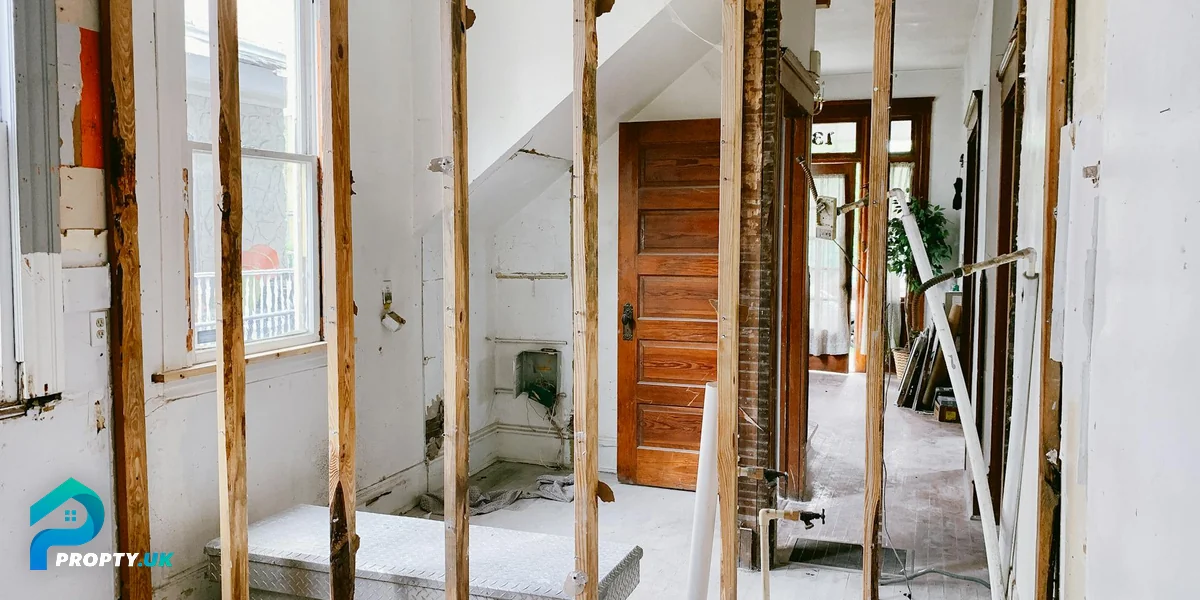
BRRR is the strategy that built more portfolios in the UK than any other over the past decade. It's elegant in concept: buy a property below market value, renovate it to increase its value, refinance at the new higher valuation to pull your capital back out, then rent it and repeat. Same capital, multiple properties.
It's also the strategy most likely to go wrong if you get your numbers wrong. One bad valuation, one renovation overrun, or one optimistic ARV and the model breaks. This guide explains how BRRR works in practice, what the numbers need to look like, and where investors get burned.
How BRRR Works: Step by Step
1. Buy (Below Market Value)
You purchase a property significantly below its "done up" value. The sources:
- Auction (repossessions, probate, distressed sellers)
- Direct-to-vendor (leaflet drops, networking, sourcing agents)
- Estate agents (properties in poor condition that others avoid)
- Receivers/administrators
The purchase is typically funded by cash or a bridging loan (standard BTL mortgages won't lend on uninhabitable properties).
Key number: Purchase price should be 70-75% of the expected After Repair Value (ARV).
2. Refurb (Add Value)
You renovate the property to bring it to a lettable standard that maximises the valuation. This doesn't mean luxury finishes — it means the improvements that valuers and mortgage surveyors recognise as adding value:
- Functional kitchen and bathroom
- Full decoration
- Working heating and electrics
- Sound structure, damp-free, no major defects
- Good EPC rating
Key number: Refurb cost + purchase price should not exceed 75-80% of ARV. If they do, you won't get all your capital back on refinance.
For building your renovation budget, the Renovation Spec tool generates a line-item specification with UK pricing.
:::tool renovation-spec Build Your Refurb Budget :::
3. Refinance (Pull Capital Out)
Once the renovation is complete, you remortgage onto a standard BTL mortgage at the new, higher valuation. Most BTL lenders will advance 75% LTV on the surveyor's valuation.
If the numbers stack up, the new mortgage covers (or nearly covers) your original purchase price plus refurb costs. You withdraw your capital and the property is now held on a standard BTL mortgage.
Key number: The refinance should return 75-100% of your total capital deployed. Anything above 90% is a strong BRRR. 100% means you've left no money in the deal — infinite cash-on-cash return.
4. Rent (Hold and Cashflow)
The property is now tenanted, generating rent, with a standard BTL mortgage. You manage it like any other rental property. The rental income covers the mortgage and costs, producing cashflow.
Key number: Monthly rent must pass the lender's stress test (125-145% of mortgage interest at 5.5%) and produce positive cashflow after all costs.
5. Repeat
Your capital is back in your account. Deploy it into the next deal. Same money, another property. This is how BRRR investors build portfolios of 5, 10, 20+ properties from a single pot of initial capital.
A Worked Example
The deal:
- Purchase price (auction): £120,000
- Refurbishment cost: £30,000
- Bridging finance (6 months, £96,000 at 0.75%/month): £4,320 interest + £1,920 fees = £6,240
- Legal fees (purchase): £1,500
- Survey: £500
- SDLT: £6,000
- Total capital deployed: £164,240
After refurb:
- After Repair Value (surveyor valuation): £200,000
- Refinance at 75% LTV: £150,000 mortgage
- Minus bridging loan redemption: -£96,000
- Cash returned to you: £54,000
Capital left in the deal:
- Total deployed: £164,240
- Cash returned: £54,000
- Cash left from deposit: £24,000 (original deposit minus bridge redemption)
- Effective capital trapped: £164,240 - £150,000 = £14,240
Wait — that doesn't work cleanly. Let me redo this properly:
Revised calculation:
- Total spend: £120,000 + £30,000 + £6,240 + £1,500 + £500 + £6,000 = £164,240
- Less bridging loan (80% of purchase): -£96,000
- Your cash in: £68,240
- Refinance valuation: £200,000 at 75% LTV = £150,000 new mortgage
- Clear bridging loan: -£96,000
- Cash back to you: £54,000
- Cash still trapped: £68,240 - £54,000 = £14,240
:::stats £68,240 | Your Cash Deployed £54,000 | Cash Returned on Refinance £14,240 | Capital Left in Deal 79% | Capital Recycled :::
You've recovered 79% of your capital. Not a perfect BRRR (you didn't get it all back), but you now own a £200,000 property with only £14,240 of your money trapped in it. That's a property generating rent, building equity, and appreciating — held for very little of your own capital.
The rental position:
- Monthly rent: £950
- Mortgage (£150,000 at 5%, interest-only): £625
- Net cashflow after costs: ~£100/month
- Cash-on-cash return on the £14,240 trapped: 8.4%
That's a strong cash-on-cash because the denominator (your capital left in) is so small.
When BRRR Works
The maths requires three conditions to align:
1. Buy at sufficient discount. Purchase price must be 70-75% of ARV. If you buy at 80% of ARV, the numbers rarely work — the refurb costs eat the margin.
2. Refurb costs must be controlled. Every pound of overrun is a pound you don't get back on refinance. This is why a detailed spec is essential. See How to Write a Renovation Spec.
3. The valuation must hit your target. This is the risk many investors underestimate. Surveyors are conservative. They don't always agree with your optimistic ARV. A valuation that comes in £20,000 below target means £15,000 less on refinance (at 75% LTV) — that's £15,000 more of your capital trapped.
When BRRR Fails
Scenario 1: Overpaying. You buy at £130,000 instead of £120,000 because you "really wanted it." ARV is still £200,000. The extra £10,000 goes directly into trapped capital.
Scenario 2: Renovation overrun. Budget was £30,000, actual spend is £42,000. That's £12,000 more trapped capital plus extra bridging interest while the project ran over.
Scenario 3: Low valuation. You expected £200,000. Surveyor says £185,000. Refinance at 75% gives you £138,750 instead of £150,000. That's £11,250 more trapped.
Compound all three: You've now got £33,000+ of capital trapped instead of zero. The BRRR model only works if you're disciplined about all three inputs.
[!warning] The valuation is not in your control You can control purchase price and renovation costs. You cannot control the surveyor's valuation. Always model your BRRR at 5-10% below your expected ARV as a stress test. If it still works at a conservative valuation, it's a genuine deal.
Bridging Finance for BRRR
Most BRRR purchases use bridging loans because the properties are unmortgageable in their current state. Key points:
- Typical rate: 0.65-0.85% per month (7.8-10.2% annualised)
- LTV: up to 75-80% of purchase price
- Term: 6-12 months
- Arrangement fee: 1-2%
- Exit fee: often 1% or a flat fee
- You need a clear exit strategy (the refinance onto a BTL mortgage)
The Bridging Calculator models the total cost of bridging finance including interest, fees, and exit costs.
:::tool bridging-calculator Calculate Your Bridging Costs :::
BRRR and the 6-Month Rule
Many BTL lenders won't refinance a property until 6 months after purchase. This is the "6-month rule" — designed to prevent mortgage fraud.
Impact on BRRR: Your bridging loan needs to cover at least 6 months. Even if the renovation is done in 3 months, you may need to wait before refinancing. Budget for 6 months of bridging interest minimum.
Workaround: Some specialist lenders offer "day one remortgage" products that will refinance immediately, but rates are typically higher. Your broker will know which lenders apply the rule and which don't.
Tax Implications
SDLT: The 5% surcharge applies (you already own your home). Budget it as part of your capital deployed.
Bridging interest: Tax-deductible if you're buying in a limited company. In personal name, it's subject to Section 24 (20% tax credit only).
Renovation costs: Capital expenditure, not revenue. Not deductible against rental income. However, in a company, you can claim capital allowances on certain fixtures.
CGT on future sale: Your base cost is purchase price + stamp duty + renovation costs. All reduce your taxable gain when you eventually sell.
BRRR in 2026: Does It Still Work?
Yes, but the margins are tighter than in 2015-2021. Higher bridging rates, higher mortgage rates on refinance, and conservative surveyors mean:
- You need a bigger discount on purchase (75% of ARV minimum)
- Refurb budgets must be tighter
- Hold periods on bridging are more expensive
- The refinance rate is higher, so monthly cashflow is lower
The strategy still works for investors who source well, control renovations tightly, and set realistic ARV expectations. It doesn't work for people who buy at auction for "10% below market value" and think that constitutes a BRRR deal. The discount needs to be 20-25% minimum.
Run every potential BRRR through the Deal Analyser before committing. It stress-tests the deal at different valuations and rates, showing you exactly how much capital gets trapped under various scenarios.
:::tool deal-analyser Stress Test Your BRRR Deal :::
Summary
- BRRR = Buy below market value, Refurbish, Refinance to pull capital out, Rent
- Allows you to recycle capital into multiple properties from a single pot
- Requires buying at 70-75% of ARV to make the numbers work
- Three risks: overpaying, renovation overruns, conservative valuations
- Budget for 6 months minimum bridging finance
- A detailed renovation spec is non-negotiable for cost control
- In 2026, margins are tighter but the strategy remains viable for disciplined investors
This guide is for educational purposes only and does not constitute financial advice. BRRR carries significant financial risk including the possibility of being unable to refinance at the expected value. Always seek professional advice before committing to a purchase.