Building a Property Portfolio from Scratch: A UK Guide
2026-07-08
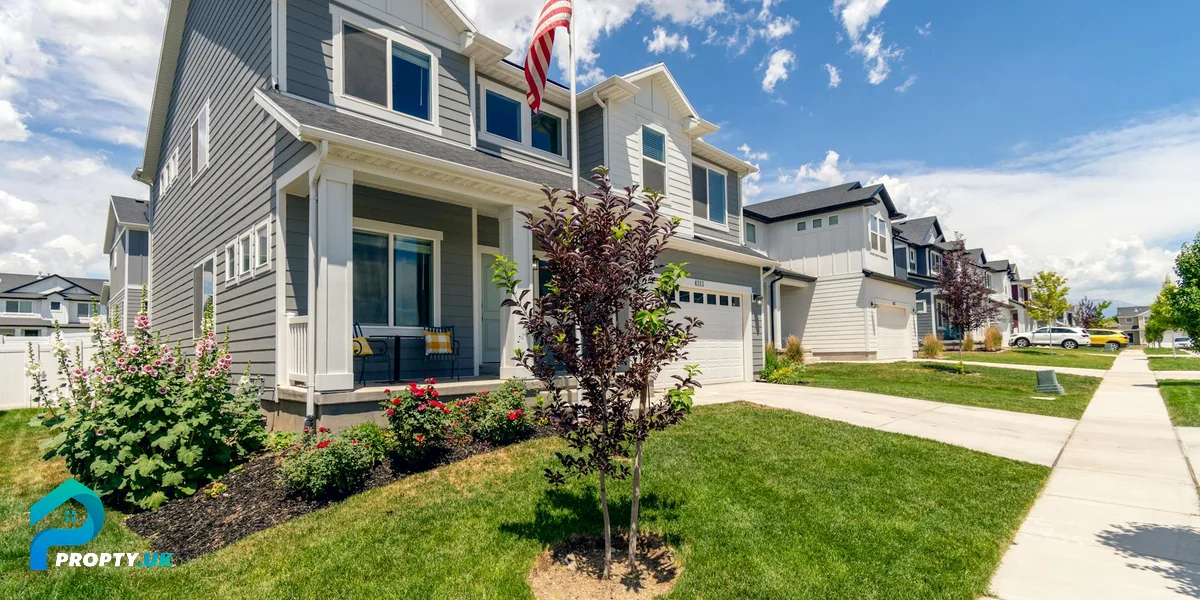
Everyone who builds a property portfolio starts with zero properties. The journey from zero to a portfolio that generates meaningful income is slower, more methodical, and less glamorous than social media suggests. It's also more achievable than most people think — if you have realistic expectations about timelines and returns.
This guide is the framework. Not "buy 10 properties in 12 months" fantasy. A grounded plan for building a portfolio that actually works in the 2026 UK market.
Phase 1: Foundation (Months 1-6)
Before you buy anything, build the foundation.
Set Your Target
What does "done" look like? You need a number.
- Income replacement: "I want rental income to replace my £45,000 salary." That requires approximately 6-8 mortgage-free properties or 15-20 leveraged properties generating £200-£300/month each.
- Supplementary income: "I want an extra £1,000/month." That's 3-4 well-chosen leveraged properties or 2 mortgage-free ones.
- Wealth building: "I want £1 million in property equity in 15 years." Achievable with 4-5 properties in growth areas with moderate capital appreciation.
The Cashflow Projection tool models these scenarios — showing how many properties you need and how long it takes based on your specific numbers.
:::tool cashflow-projection Model Your Portfolio Target :::
Know Your Starting Capital
Be honest about what you can deploy:
| Available Capital | Realistic First Step |
|---|---|
| £20,000-£40,000 | One property in a northern yield city (£80,000-£120,000 at 75% LTV) |
| £40,000-£70,000 | One property in midlands/north (£130,000-£200,000) |
| £70,000-£120,000 | Two properties (sequential, not simultaneous) |
| £120,000+ | Two properties or one BRRR project |
Each property needs roughly £40,000-£60,000 of cash (25% deposit + SDLT + costs) for a £150,000-£200,000 purchase. If you have less than £40,000, you're limited to very cheap stock or need to consider alternatives (REITs, rent-to-rent, saving more).
Decide Your Structure
Personal name or limited company? Make this decision BEFORE your first purchase. Switching later is expensive. See Ltd Company vs Personal Name for the full comparison.
Quick rule: If you're a higher-rate taxpayer building a portfolio of 3+ properties, a limited company almost certainly wins. If you're basic-rate and buying 1-2 properties, personal name is simpler.
Build Your Team
You need these people before you start:
- Mortgage broker (whole-of-market, experienced with BTL/portfolio)
- Solicitor (one who handles investment purchases regularly)
- Accountant (property specialist, advises on structure)
- Insurance broker (landlord-specific policies)
Optional but valuable:
- Letting agent (if not self-managing)
- Builder/handyman (for maintenance and light refurbs)
- Sourcing agent (if buying off-market)
Phase 2: First Purchase (Months 3-9)
Pick Your Area
This takes more time than most investors expect. Research 3-4 areas, visit them, speak to agents, and narrow to 1-2 target postcodes. See How to Research a Property Investment Area for the full methodology.
Find and Analyse Deals
Once you know your target area, start viewing. Expect to:
- View 15-25 properties before making an offer
- Analyse 5-10 seriously (full cost analysis, stress testing)
- Make offers on 2-3
- Successfully purchase 1
This isn't inefficiency — it's discipline. Most properties don't work when you run the numbers honestly. The Deal Analyser lets you screen quickly and focus your time on deals that actually stack up.
:::tool deal-analyser Screen Deals Quickly :::
Complete and Let
- Complete the purchase
- Do any necessary works (decoration, safety certs, EPC improvements)
- Find a tenant (or retain existing if the property is already let)
- Set up management (self or agent)
- Confirm the property cashflows as projected
Critical: Don't buy property two until property one is fully stabilised (tenanted, cashflowing, no outstanding issues). The learning curve on your first property is steep. Absorb it before adding complexity.
Phase 3: Scaling (Years 1-5)
The Capital Problem
After your first purchase, your capital is deployed. Where does the money for property two come from?
Option A: Save from income. Your salary plus rental cashflow, saved aggressively. At £1,000/month savings, you'll have enough for the next deposit in 3-4 years.
Option B: Remortgage and release equity. If property one has grown in value (or you bought well below market), remortgage at the higher value and pull cash out. Example: bought at £150,000, now worth £180,000. Remortgage at 75% = £135,000. Original mortgage was £112,500. Release: £22,500 tax-free (it's debt, not income).
Option C: BRRR. Buy below value, refurbish, refinance at the new valuation to recover most of your capital, then deploy it again. See The BRRR Strategy Explained.
Option D: Combination. Most portfolio builders use all three — saving from income, releasing equity on appreciation, and running BRRR projects when the right deals appear.
Buying Pace
A realistic acquisition pace for most employed investors:
| Year | Properties Acquired | Total Portfolio |
|---|---|---|
| 1 | 1 | 1 |
| 2 | 1 | 2 |
| 3 | 1-2 | 3-4 |
| 4 | 1-2 | 4-6 |
| 5 | 1-2 | 5-8 |
One property per year is solid progress. Two per year is aggressive and requires strong capital recycling. Anyone claiming 10 properties in year one either started with significant capital or is taking dangerous levels of risk.
Portfolio Landlord Threshold
At 4+ mortgaged properties, many lenders classify you as a "portfolio landlord." This triggers additional underwriting requirements:
- They'll assess the whole portfolio's cashflow, not just the new property
- Business plan may be required
- Stress testing across all properties simultaneously
- Some lenders won't deal with portfolio landlords at all
This isn't a barrier — it just narrows your lender options. A good broker navigates this routinely. For details, see Portfolio Landlord Mortgages.
Phase 4: Consolidation (Years 5-15)
Stop Buying and Start Optimising
At some point (typically 5-10 properties), the priority shifts from acquisition to optimisation:
- Remortgage to better rates as products expire
- Increase rents to market level (don't fall behind)
- Address EPC compliance before the 2030 deadline
- Consider selling underperformers to reinvest in better stock
- Start switching to repayment mortgages on some properties to begin clearing debt
The Debt Elimination Phase
This is where the portfolio transitions from "growth mode" to "income mode." You need to get rid of the mortgages — either through:
- Overpayments on repayment mortgages
- Selling 1-2 properties to clear debt on the others
- Time — letting repayment mortgages reach their natural end
- Lump sums from other sources (pension, inheritance, business sale)
The goal: mortgage-free properties generating £6,000-£8,000/year each in net cashflow. Five mortgage-free properties = £30,000-£40,000/year income with no debt risk.
For modelling this transition, the Cashflow Projection tool shows exactly when your portfolio reaches your target income under different debt reduction scenarios.
:::tool cashflow-projection Model Your Debt Elimination Timeline :::
Common Mistakes in Portfolio Building
Buying too fast. Speed impresses nobody except social media followers. Quality matters more than quantity. Five well-chosen properties outperform ten mediocre ones.
Ignoring cashflow for growth. A property that loses £200/month because "it'll grow" is costing you real money every month. In a portfolio of 5 loss-making properties, that's £12,000/year bleeding out. Cashflow first, growth second.
Not stress-testing the portfolio. What happens to your total cashflow if rates rise 2%? If you'd lose £2,000/month across the portfolio, you have a concentration risk that needs addressing.
Over-leveraging. Maximum leverage (80-85% LTV on everything) maximises returns in good times and maximises pain in bad times. A rate rise or void period across a highly leveraged portfolio can force sales at the worst possible time.
Neglecting the existing portfolio. Chasing the next purchase while existing properties deteriorate, tenants leave, and rents fall behind market rate is a recipe for a portfolio that looks big on paper but generates nothing.
No exit plan. "I'll just hold forever" isn't a plan. How will the debt be cleared? When do you want to stop working? What's the timeline? Build backwards from the end goal.
The Numbers That Matter
Track these across your whole portfolio:
| Metric | What It Tells You |
|---|---|
| Total monthly cashflow | Cash hitting your account after all costs |
| Average cash-on-cash | How hard your deployed capital is working |
| Aggregate LTV | Your debt exposure relative to values |
| Rent-to-interest coverage | How much buffer you have if rates rise |
| Portfolio vacancy rate | Percentage of time properties sit empty |
| Equity position | Total values minus total debt |
Summary
- Start with a clear target (income, equity, or both)
- Build the team and decide structure BEFORE buying
- Buy one property, stabilise it, learn from it, then buy the next
- Realistic pace: 1-2 properties per year for employed investors
- Capital recycling (remortgage, BRRR, saving) funds subsequent purchases
- Transition from growth to consolidation at 5-10 properties
- Eliminate debt over time to unlock the real retirement income
- Track portfolio-level metrics, not just individual property performance
The portfolio that retires you isn't the one with the most properties. It's the one with the most cashflow and the least debt. Build towards that, not towards a number on a spreadsheet.
This guide is for educational purposes only and should not be treated as financial advice. Property investment carries significant risk. Always seek professional advice before making investment decisions.